
Lo-Fi in Visual Storytelling: The Power of Imperfect Sound


Crackling vinyl, dusty drums, mellow chords and melodies that seem to drift rather than demand attention. Lo-fi has become one of the most recognizable sounds of digital culture.
Once associated with deliberately rough recordings and DIY production, lo-fi has developed into a broad musical aesthetic with a life far beyond its underground roots. Its relaxed beats became a familiar soundtrack to studying, working and scrolling online, while its warm imperfections have increasingly found a place in advertising, television, film and digital content.
But why does lo-fi work so well with visuals? And what can its journey from internet culture tell us about the way audiences respond to music today?
What is Lo-Fi Music?
Lo-fi (short for 'low fidelity') originally described recordings where imperfections in the production process could be heard. Background noise, tape hiss, distortion and other artifacts might traditionally have been considered flaws. In lo-fi, they became part of the character.
The term now encompasses a much wider range of music. Contemporary lo-fi often combines elements of hip hop, jazz, soul, ambient music and electronica, typically using laid-back beats, understated melodies and deliberately textured production.
Rather than sounding unfinished, these details can make the music feel tactile and human. A slightly worn piano, softened drum sound or layer of vinyl crackle creates a very different atmosphere from an immaculately polished production.
And that imperfection is central to lo-fi’s appeal.
From Underground Aesthetic To Internet Soundtrack
Lo-fi existed long before streaming platforms and social media, with DIY recording techniques playing an important role across independent music scenes. But online culture gave the aesthetic a new identity.
During the 2010s, lo-fi hip hop in particular became closely associated with long-form playlists and livestreams designed for studying, relaxing and concentrating. The music was unobtrusive enough to sit in the background, while still offering rhythm, warmth and personality.
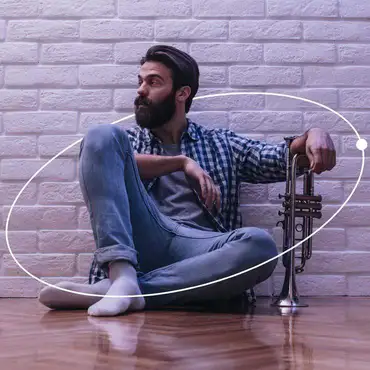
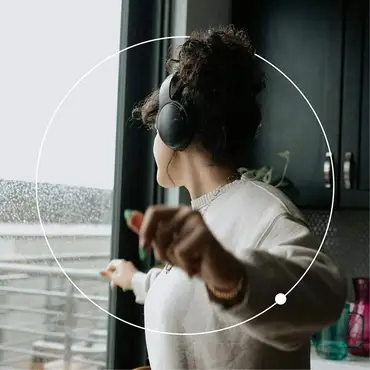
This way of listening also helped establish lo-fi’s distinctive visual identity, often associated with bedrooms and desks, headphones, rain-streaked windows, late-night cityscapes and nostalgic animation. Lo-fi became more than a production technique. It became a mood.
This relationship between sound, image and everyday activity is important when considering why the genre translates so naturally to screen. Audiences have spent years encountering these sounds alongside visual content, often while studying, working, creating or simply spending time online.
As a result, lo-fi can communicate a particular atmosphere very quickly.
Why Imperfection Feels Authentic
Modern audiences are often used to experiencing polished and highly-produced media. Against that backdrop, small imperfections can give music a sense of intimacy.
Tape saturation, room noise, vinyl crackle and slightly uneven textures suggest something handmade or lived-in. Even when those characteristics are created intentionally in a studio, they can evoke older recording technologies and more personal forms of music-making.
For filmmakers and advertisers, that gives lo-fi a useful emotional vocabulary.
A polished electronic track might make a piece of technology feel sleek and futuristic. A lo-fi beat can make the same product feel more personal, creative or part of everyday life.
Lo-fi is particularly effective when a production needs to feel relaxed without becoming anonymous. It can provide a distinctive musical identity while leaving space for dialogue, voiceover and visuals to remain at the centre of the edit.
Nostalgia Without Belonging To One Era
Nostalgia is also an important part of lo-fi’s appeal.
Many of its characteristic sounds reference technologies from the past: analogue tape, vinyl records, older samplers and vintage keyboards. Yet lo-fi’s growth through streaming, online communities and digital creator culture makes it equally connected to contemporary life.
A crackling record can suggest memory and familiarity. A sampled beat can connect the sound to hip hop traditions. Dreamy synthesizers can create something more modern or abstract.
This makes lo-fi particularly flexible for visual storytelling. Rather than explicitly placing a scene in a particular decade, it can create a broader feeling of recollection, comfort or reflection.
In film and television, that might support an introspective montage, a quiet journey or a character lost in thought. In advertising, the same qualities can help create warmth around lifestyle, food, fashion, travel or technology.
Lo-fi Music In Advertising
Advertising often needs to establish tone in seconds, and music is one of the fastest ways to do it.
Lo-fi can immediately soften an edit, introducing rhythm without making the soundtrack feel overly forceful. Its association with digital culture can also make it a natural fit for campaigns aimed at audiences familiar with creator-led content and online visual language.
For lifestyle advertising, mellow beats and warm instrumentation can create an easy-going atmosphere around everyday moments: making coffee, commuting, cooking, browsing or spending time with friends.
For technology and creative brands, lo-fi can offer an alternative to glossy electronic music. Instead of presenting technology as distant or futuristic, it can place it within ordinary human routines.
Lo-fi on Film & Television
On screen, music frequently needs to support rather than dominate.
Lo-fi is well suited to this role because many tracks rely on repetition, restrained arrangements and relatively gentle dynamics. A groove can sustain momentum through a scene without creating a dramatic emotional instruction for the audience.
That makes the genre useful across a range of settings.
A relaxed beat can underscore a city sequence. Sparse piano and vinyl texture can introduce introspection. Jazz-influenced chords can bring warmth to a café or domestic scene, while more atmospheric lo-fi can help establish isolation, memory or late-night stillness.
The Importance of Rhythm
Although lo-fi is often described as relaxing, rhythm is one of the reasons it remains so effective.
Its beats are usually clear enough to give editors natural points for cuts and transitions, but relaxed enough not to overwhelm the pace of a sequence.
That balance can be particularly useful in montages and short-form content. Small visual actions such as opening a laptop, pouring a drink, stepping onto a train can be aligned with kicks, snares and melodic details without turning the sequence into a high-energy music edit.
The groove creates continuity.
This is one reason lo-fi can work across everything from social content and advertising to longer-form television. It gives images a pulse while remaining comfortable in the background.
Finding Lo-Fi Music For Your Production
The right lo-fi track depends on the story you want to tell.
For a relaxed lifestyle edit, look for gentle beats, warm chords and understated melodies. For reflective scenes, slower tempos and atmospheric textures can create space around the visuals.
Jazzier instrumentation can introduce sophistication, while hip hop-influenced drums can bring more movement and contemporary energy.
It is also worth considering how much texture the scene needs. Vinyl noise and tape effects can add character, but a cleaner lo-fi production may work better underneath detailed dialogue or sound design.
Explore Universal Production Music’s world-class catalog to discover lo-fi music full of laid-back beats, warm textures and understated grooves for your next production.
Ambient Albums


Lo-Fi Tracks


