
In Conversation with Industry Season 4 Music Supervisor Estera Leedham


As part of our ongoing "In Conversation With" series, we spotlight the creative voices shaping film and television today. Following our editor interviews, we continue the conversation with music supervisor Estera Leedham, whose work on Industry Season 4 brings together a dynamic mix of commercial tracks, bespoke compositions and production music.
Explore the Industry Season 4 Playlist featuring all 17 Universal Production Music tracks used across the series. Do you recognise the scenes behind these tracks?
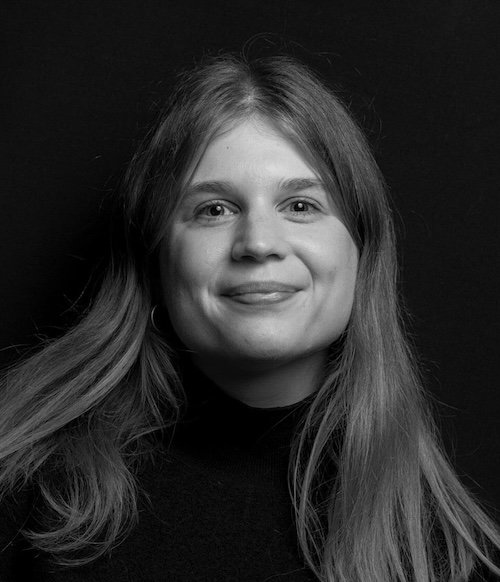
About Estera Leedham
Can you start by telling us a bit about yourself and your journey into music supervision? How did you start your career in film and tv?
I feel like it took me a while to get to the music supervision part to be honest! I originally studied TV production and then got a job as an office runner at one of the biggest TV production companies known for their comedy shows such as Peep Show, Fresh Meat etc.
I worked across many entertainment TV shows over the years including a stint on Tom Daley’s celebrity diving show which was a funny time! Working in entertainment (at least at the time), you didn’t really have a role of a Music Supervisor, there were usually Edit Producers & Editors choosing music & using the blankets, so I wasn’t very familiar with music clearance or music supervision as a career path.
One summer, when I was in between my freelance gigs, I started researching any roles that would marry my love for music and TV & film. I found that music supervision was something that existed more in drama & film and I was instantly drawn to this role. I thought this is what I was meant to be doing!
I remember I would go to Hackney library and sit there and make notes based on the music books that I could find and I would learn the basics like what publishing & master rights were. I remember just emailing different music supervisors in London and that’s how I ended up meeting Iain Cooke. We worked together for a little bit, and he then offered me a full-time role.
We worked on some amazing shows together and made a great team. Since then, I did a little stint working in music supervision in Sydney and then returned to London to work at Theodore Music with Ollie White where I’ve been for 2 years now, time flies!
And can you tell us about your current role at Theodore and what this involves day-to-day?
At Theodore Music, we’ve got the advertising side (Wake The Town), as well as the TV & Film department which Ollie & I are working in. Every day is different really, because we work on multiple projects at the time. One day, I will be reading scripts and coming up with music ideas and creating mood playlists. Another day, I will be watching a cut of a film that we’ve just been brought on and working out what songs need to be cleared and what we can add to it.
In general, our role involves finding the right music identity for a project, music clearance, collaborating with writers/directors/producers, music licensing and everything else that goes into making shows happen.
Soundtracking Industry Season 4
What has been the most creatively rewarding part of working on Industry?
I’ve been a fan of Industry since day one, I remember it coming out years ago and hearing the soundtrack... It felt so fresh and fun, it really captured the magic of the show so well. I obviously watched the credits to find out who was behind it all and I had wanted to work with Ollie since. When reading scripts for season 4, we knew this was a much bigger season which required different approach. We were so thrilled that the show which started with mostly emerging electronic artists in season 1 has reached the level, where we were able to include artists like Daft Punk, New Order, Ella Fitzgerald, Édith Piaf etc. All down to the creators/writers MK and Ollie for making it an incredible and ambitious piece of work, something artists want to be part of. We even sometimes get emails from big artists via management or rights holders asking specifically if any of their songs would work for the show because they like it so much.
I love how witty the show is and how incredibly complex the characters are. I also enjoy finding bits in dialogue that I hadn’t picked up on before, when rewatching episodes 5 times or more, which we music supervisors have to do a lot! Makes it fun every time.
How do you approach blending commercial tracks and library music with Nathan Micay’s bespoke compositions? What’s that creative balance like?
If you’ve watched Industry, you’d know that some of the episodes are essentially back-to-back music. Lots of score but also lots of needle drops. Nathan’s score is so distinct and incredible, but we ensured that commercial & library music align nicely with it so it’s all cohesive with his sound. To give an example, episode 2 of this season was a real behemoth! I’ve just had a look at our music tracker, and it had 21 cues plus additional score cues. With that episode, it was all commercial music to begin with, and we had to have conversations with the writers making them aware that we couldn’t include all the commercial tracks that they wanted. There were a few big commercial cues that were on the expensive side within that episode, which meant we had to lean on the library for quite a few of the party moments. It was also set around Christmas time for which UPM had a perfect retro, Christmas album (A Christmas Wish) that we got lots of tracks from and these replaced the bigger commercial Christmas cues with that we couldn’t include in the end.
Coming into Industry in Season 4, how did you approach evolving the show’s sound while staying true to previous seasons?
As I mentioned before, this season felt like a step up from the previous ones, so it was definitely challenging. The score had to reflect that and evolve into something more regal at times, which is not the distinct, electronica sound that we’re familiar with. But what a fun challenge for Nathan & us! Despite the show going more ambitious and bigger, and us including more recognisable tracks than in the previous seasons, Ollie still managed to slot in some OG Industry vibes like Tenashee, DJ Tennis, Ashee, Gaia Weiss ‘Tell Me Something’ or Luke Kokoszka ‘...And Then Everything Was Beautiful Again’. They felt more like Easter eggs alongside Nathan’s score, which is cool.
Is there a particular scene you’re most proud of musically, and what made it work so well?
Honestly, I think this season has been such a highlight of my career! I love it all. One of my favourite moments, which was maybe selected by the writers within episode 7 and included When In Rome's track ‘The Promise’, was when Yasmin & Henry realise they’re completely broke and there’s a shot on Yasmin lying on her bed with Henry next to her, eyes wide open after not sleeping all night. I think that track worked soooo well and it also returned later in the episode which is fun. A bit more niche, but I also quite enjoyed the scene in episode 4 with Kyu Sakamoto ‘Sukiyaki’ playing over Henry & his team in Vienna, it then cuts to Harper meeting her colleague/lover in a restaurant. It felt really fun and played well against the serious themes of that episode.
Estera’s Career Journey
How do you continue to be inspired, and where do you draw inspiration from in your work?
I think watching other people’s work and seeing what other filmmakers and music supervisors are capable of always makes me feel super inspired. It makes you want to be better and dig deeper. I love watching a film or a series and finding a beautiful score in it... I remember watching American Beauty in my late teens and I recall so vividly the score truly staying with me. Nothing beats a beautifully placed needle drop that is unexpected and captures the magic of the moment as well. I love coming across new music unexpectedly and pausing for a moment, thinking that this feels special.
What advice would you give creatives when choosing music for their projects?
Well, I think the budget is important, so look at that first. Of course, if you’re starting up and it’s a short film, you won’t be able to afford the biggest songs and artists that you’re a fan of. In that case, reach out to your friends who might be musicians/composers and see if any of them would like to write something for your project. If not, libraries are amazing solutions for these.
We use production music in all our projects whether it’s a film or a TV show, there’s some excellent albums and catalogues out there. We love UPM for their numerous retro/archive albums and cool, more contemporary vocal catalogues.
How do you see the role of production music evolving in the tv and film industry?
Production music plays an integral part in TV & film already. As I said earlier, we use it all the time!
I believe that production music libraries realise how much demand there is for library music, so they keep reaching out for better talent and make tracks sound competitive to commercial music. I just hope there will be more and more vocal tracks around so we can keep including them whenever we need to.
What advice would you give to aspiring music supervisors?
Don’t feel like you need connections to start in this industry. Of course, it helps if you already know someone who works in music supervision, but it’s never a must. I get lots of emails from people asking for work experience and I think that’s the right first step. Even asking for a little Zoom to introduce yourself and find out more about the music supervisor’s role is useful because you’re making a connection.
I know we’re all quite busy, but hopefully, if you keep trying, someone will say yes and that’s your chance. Gather knowledge and understanding of what music clearance is and what the job requires. Get into it, having as much knowledge of music & film as possible. Always be hungry for discovering new music.
What are the biggest creative or logistical challenges you face when sourcing music?
The challenge is to stay fresh and constantly reach out for the unknown and exciting. We can get stale and contact the same people, while there’s so much new music, we should be trying different websites, Reddit groups, Instagram accounts, Bandcamp pages.
Whatever it is. I’ve learnt this from the guys I work with, who remain so incredibly excited about new music that it pushes me to stay curious.
Looking back, is there a particular moment in your career that stands out as especially meaningful?
Honestly, it’s all been incredibly fun, and I’m very fortunate to have worked on so many amazing projects over the years, dramas, iconic music documentaries, etc. Each project brings something new that I can learn from, and I love that!
Whenever someone asks me about especially meaningful projects, I usually say Everything I Know About Love by Dolly Alderton, just because I was so obsessed with the book in 2017, like any girl living in London at the time... and then years later I got to work on the TV adaptation of it, which was incredible. I would spend days going through my old uni playlists and got to include some of my favourite artists like Mystery Jets, Lucy Rose, Grimes, etc. What a dream!